灰水粽所用的灰水,是以天然高質木柴燃燒後的柴灰為原料,先篩去雜質,再以強力壓縮灰粉,並逐步加水,使鹼性水從中滴漏而出。
上世紀以前,木柴是日常生活的主要燃料,家家戶戶每天燒柴,自然會產生大量柴灰。客家先民主要有兩種方式利用柴灰:
① 作為農耕肥料。
② 作為天然清潔劑,用其鹼性清洗污漬與油膩。
然而,鹼性的灰水竟能被聯想到用來製作「粽」,至今仍令人難以想像。這種創意可說是天馬行空,相信發明者必定是敢於嘗試、富冒險精神、具創意又堅毅的天才。
灰水粽本身屬鹼性食物,強鹼性能有助消化及清理腸胃。過去人們對鹼性食物並不特別關注,但普遍認為弱鹼性體質較健康,而酸性體質容易引發疾病。
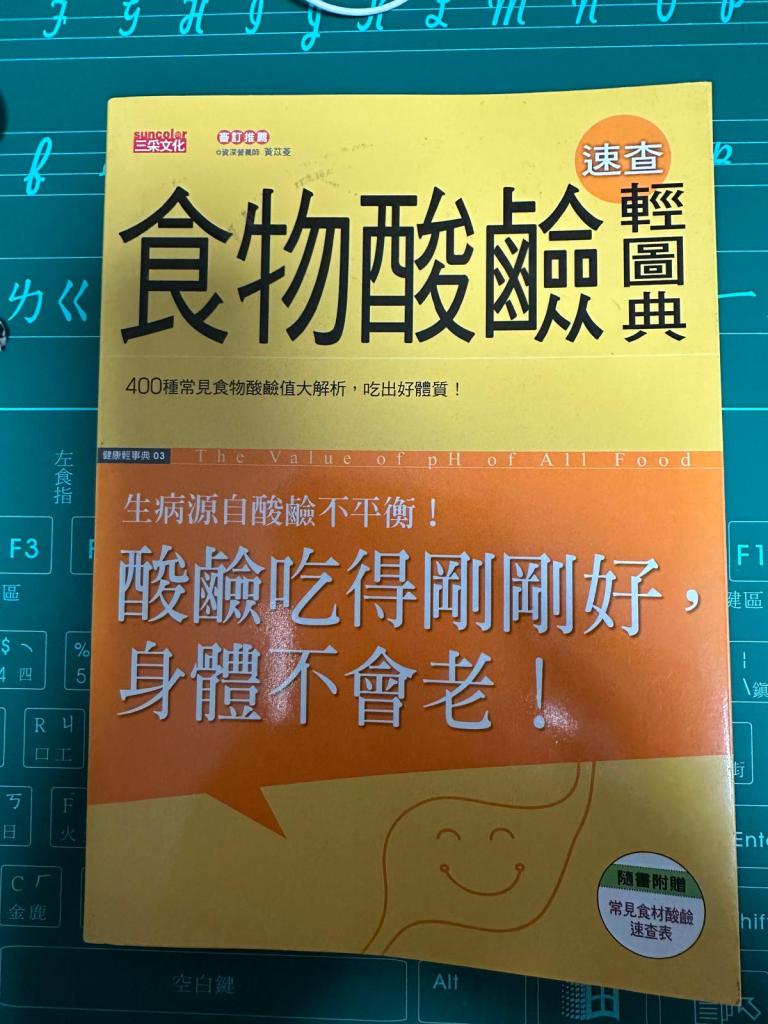
雖然灰水粽是有益的鹼性食物,但一年只吃一次並不足以改善體質。灰水粽反而啟發現代人重新關注「弱鹼性飲食」的重要性。現代人每天攝取大量酸性與鹼性食物,如何達致酸鹼平衡、維持弱鹼性體質,已有不少圖書圖文並茂介紹食物性質,甚至向 AI 查詢也能找到相關資料。
日常飲食中,植物、蔬菜、水果、肉類、海產等都可分為酸性或鹼性食物。當飲食酸鹼失衡時,可利用天然、無化學添加的食材如米醋浸青梅、檸檬、山楂等作為「中介」,幫助身體回復偏向弱鹼性,從而減少痛症。
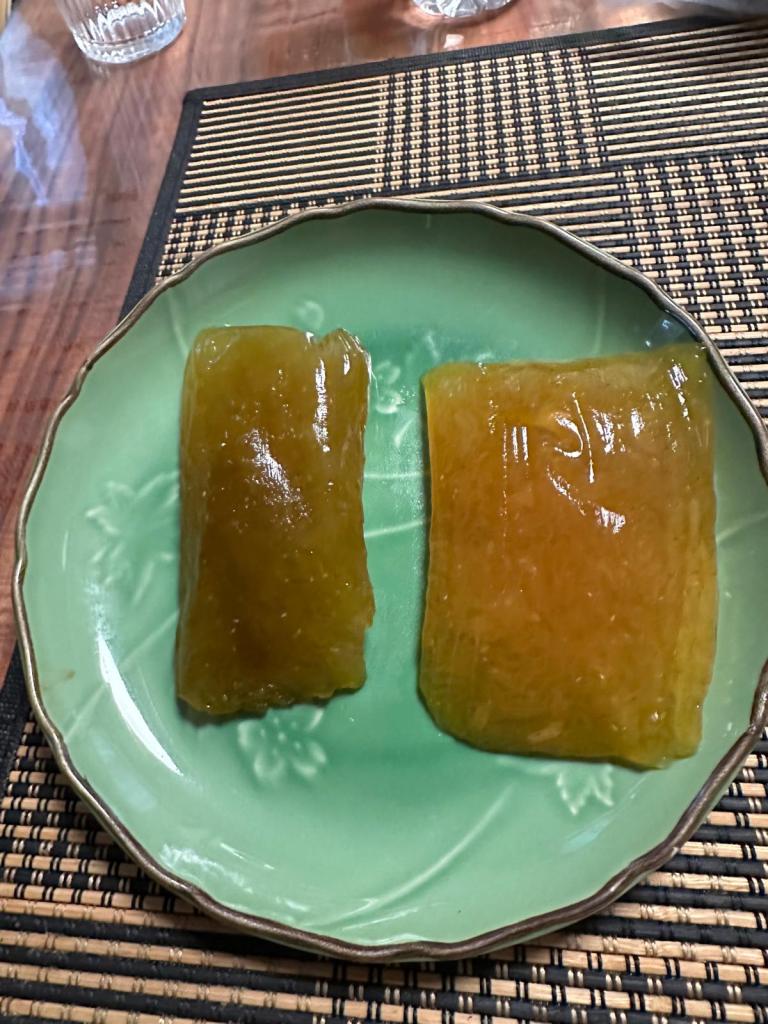
今年端午節期間,香港旅遊發展局舉辦龍舟嘉年華,作者獲邀參與香港非物質文化遺產項目之一——客家灰水粽製作工作坊。在十多日的活動中,接觸本地、內地及外國遊客,向他們講解灰水粽的非遺文化,並教授包製客家灰水粽,讓參加者品嘗晶瑩剔透、金黃色、啫喱果凍般的灰水粽。
參與者涵蓋老、中、青、少、幼各年齡層,男女一家同樂。許多人第一次試食灰水粽,驚喜雀躍、場面熱鬧。有些人更連續多日參與,小朋友吃得津津有味,甚至擔心以後沒機會再吃。
傳統食法是雪凍後加糖、糖䊢或蜂蜜。
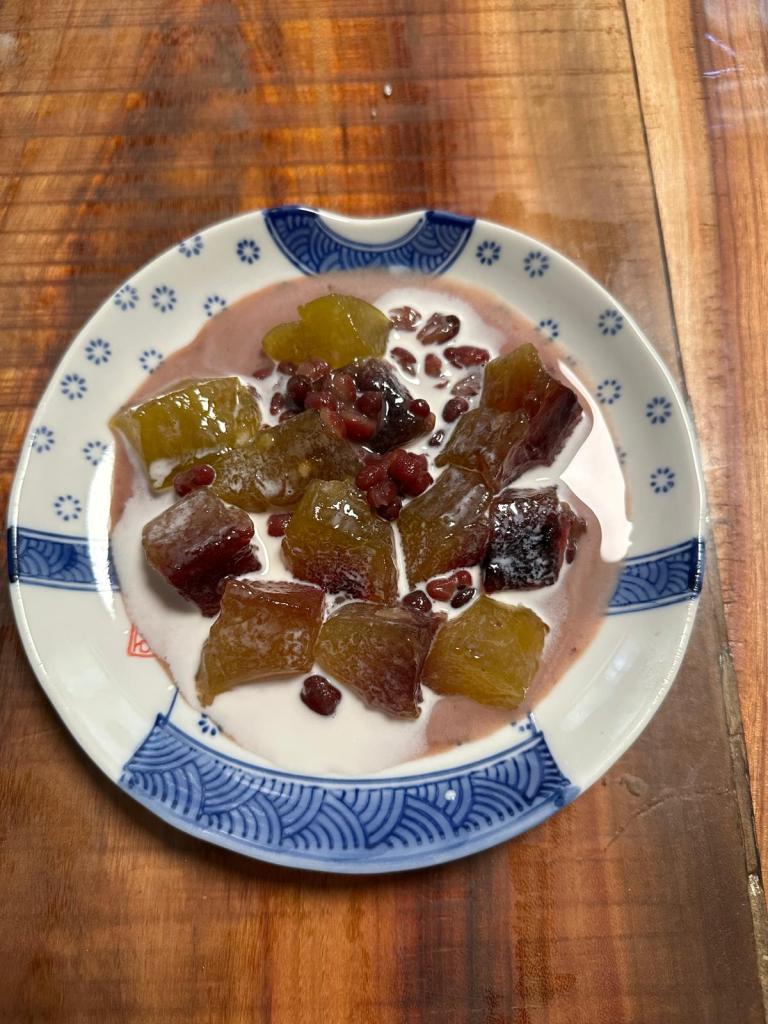
建議的新食法包括:灰水粽切粒冰凍後配雪糕、或加一杯紅豆冰、或加入罐頭紅豆配椰漿或奶。整體味道融合得恰到好處,口感獨特,是絕佳搭配。
這次工作坊可說是非常成功,讓客家灰水粽得以推廣至本地、內地,甚至向外國遊客介紹,讓更多人認識這項珍貴的非物質文化遺產。
© 2026過客聊客家,版權所有。
歡迎留言!


The Memory and Heritage of Lye
The lye used in making rice dumpling comes from natural, high‑quality firewood. After the wood is burned, the resulting ash is used as the raw material. The ash is first sifted to remove impurities, then compressed into fine powder. Water is gradually added so that alkaline liquid slowly drips out.
In the old days, firewood was the main fuel for daily life. Every household burned wood every day, naturally producing large amounts of ash. Early Hakka ancestors mainly used wood ash in two ways:
1) As fertilizer for farming.
2) As a natural cleaning agent, using its alkalinity to wash stains and grease.
However, the idea of using alkaline lye to make rice dumplings is still hard to imagine today. This creativity could be described as bold and visionary. The inventor must have been a daring, adventurous, creative, and determined genius.
Rice dumplings with lye themselves are alkaline foods. Their strong alkalinity helps digestion and cleanses the stomach. In the past, people did not pay special attention to alkaline foods, but generally believed that a mildly alkaline body was healthier, while an acidic constitution was more prone to illness.
Although rice dumplings with lye are beneficial alkaline foods, eating them only once a year is not enough to improve one’s physical condition. Instead, rice dumplings with lye have inspired modern people to re‑examine the importance of a “mildly alkaline diet.” Today, people consume large amounts of both acidic and alkaline foods daily. Many books now explain how to maintain acid‑alkaline balance and keep a mildly alkaline constitution. Even asking AI can provide relevant information.
In everyday diets, plants, vegetables, fruits, meat, and seafood can all be categorized as acidic or alkaline foods. When the diet becomes imbalanced, natural ingredients without chemical additives—such as rice vinegar‑soaked green plums, lemons, or hawthorn—can act as “mediators” to help the body return to a mildly alkaline state, reducing pain and discomfort.
During this year’s Dragon Boat Festival, the Hong Kong Tourism Board hosted the Dragon Boat Carnival. The author was invited to participate in one of Hong Kong’s intangible cultural heritage items, the Hakka rice dumpling with lye workshop. Over more than ten days, the author met local, mainland, and overseas visitors, explaining the cultural heritage of rice dumplings with lye and teaching participants how to wrap them. Participants were able to taste the crystal-clear, golden, jelly-like rice dumplings with lye.
Participants ranged from elderly to middle-aged, youth, children, and toddlers—families enjoying the activity together. Many people tried rice dumplings with lye for the first time and were pleasantly surprised, creating a lively atmosphere. Some even joined the workshop for several consecutive days. Children enjoyed the dumplings so much that they worried they might never get to eat them again.
The traditional way to eat rice dumplings with lye is to chill them and serve with sugar, syrup, or honey.
New recommended ways include:
Cutting the dumplings into cubes, freezing them, and pairing with ice cream.
Adding them to a cup of red bean ice.
Mixing them with canned red beans and coconut milk or regular milk.
The flavors blend beautifully, and the unique texture makes these combinations exceptional.
This workshop was a great success. It helped promote Hakka rice dumplings with lye to local and mainland audience, and even introduced this precious intangible cultural heritage to foreign visitors, allowing more people to appreciate and understand it.
© 2026 Dialogues on Hakka. All rights reserved.


Leave a Reply