適逢端午佳節,先祝大家端午安康﹗今天想繼續和大家分享客家粽子的特色。
灰水粽
客家灰水粽是一種天然環保、健康又養生的傳統食物。
「環保」指的是古時以木柴為主要燃料。過年蒸製半百斤以上的圓籠茶粿,需要大量木柴。木柴燃燒後留下的柴灰,會保存起來,留待端午節用來滴漏成灰水。同時,柴灰還能作為天然去油清潔劑;在農耕時期,更可用作剎菌、鬆土與肥料,一物多用。
「健康養生」則來自天然木柴滴漏出的鹼性灰水,用它製作的灰水粽能幫助消化,不會有飽滯感。灰水粽帶有微甘的苦味,但回甘悠長。鹼性食物有助維持弱鹼性的體質,減少痛症,亦被認為能降低患癌風險。
然而,製作灰水極為耗時。從收集木柴到燒成柴灰,往往要花上半年時間。正式滴漏灰水則需一整個星期,其中兩天要「養灰窩」,慢慢加水讓灰吸水滲透。第三天才會滴出第一滴灰水。期間還要細心挑出糯米中的粘米,確保糯米能完全溶化成果凍狀。另外,魚腥味是灰水的大敵,會破壞灰水的鹼性,使整個過程功虧一簣。
灰水的滴漏需要時間與耐性,像釀酒一樣。初年的灰水味道較嗆、濃度高;隔年後則變得香醇順喉,口感更為豐富。
客家咸肉粽
客家咸肉粽的材料簡單。糯米只需洗淨,不用浸水,加入少許鹽調味即可。五花腩肉先行調味,稍微煎香,花生碎拌入五香粉,也可加入去殼綠豆。所有材料都有基本底味,豐儉隨意。
客家咸肉粽的特色在於其圓柱形包法,而不是常見的三角形。圓柱體受力平均,能紮得更緊實。煲煮需五小時以上,粽子熟透後結實有口感,耐保存,不易吸水變壞,翻煲也不失味,用鑊煎香更添風味。
客家圓柱體咸肉粽做法簡單易學,在物資匱乏的年代,講求的就是簡單、好味、飽腹。口感Q彈、有嚼勁,是充飢又耐吃的傳統美食。
© 2026過客聊客家,版權所有。
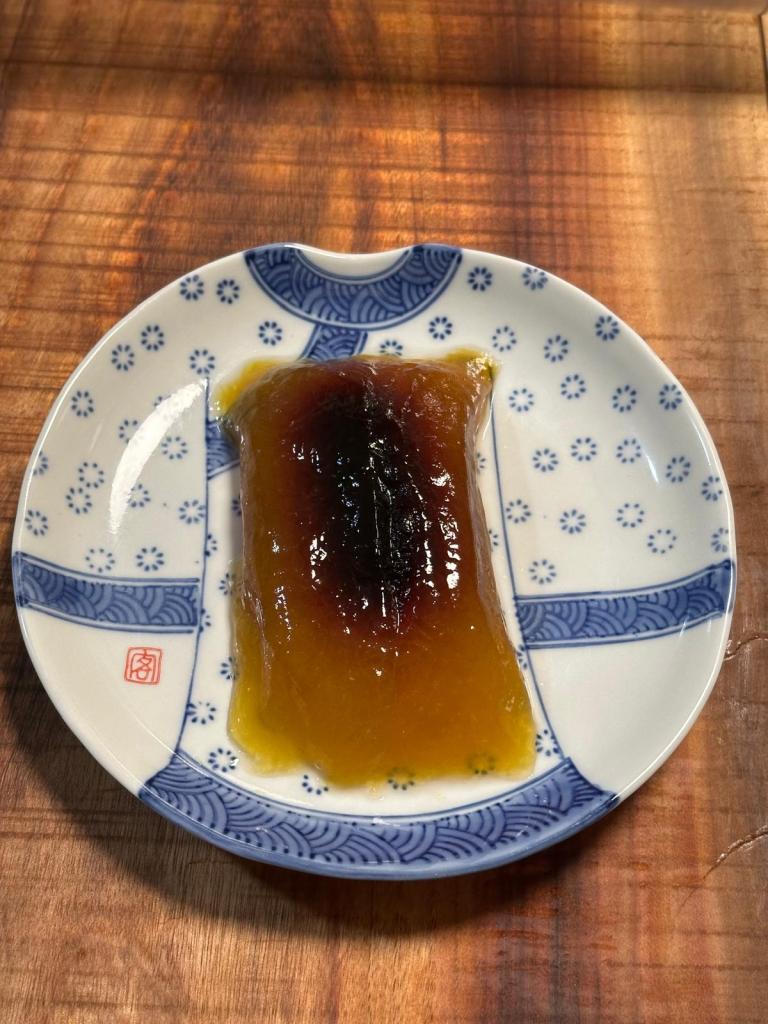
灰水粽,含蘇木
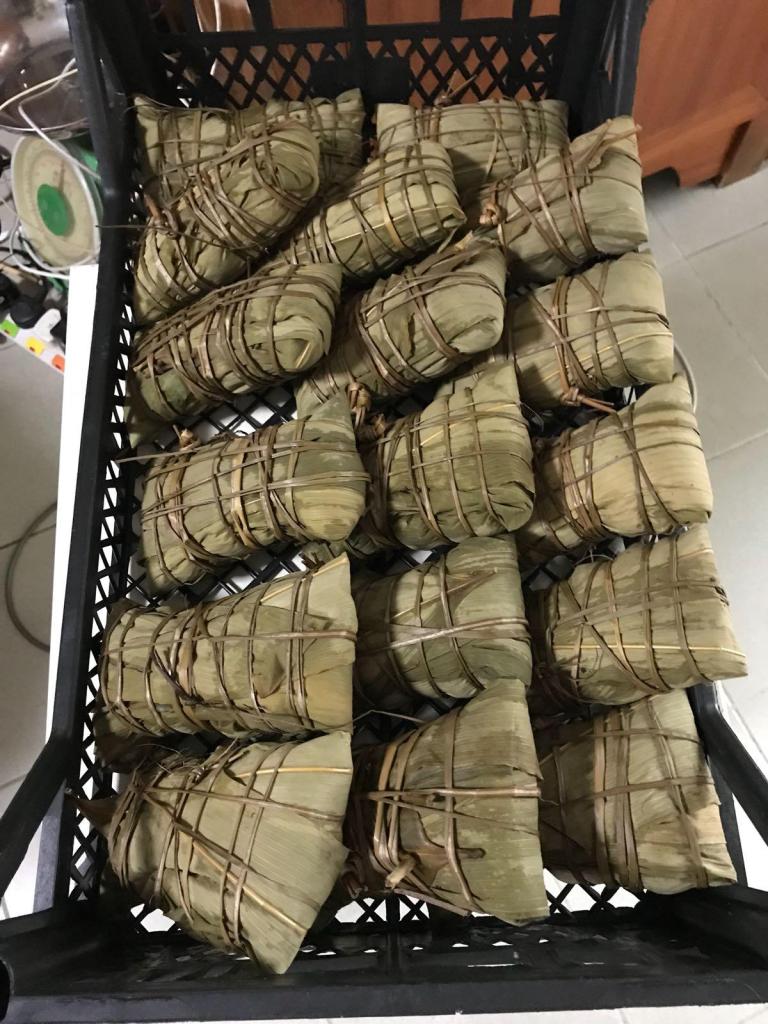
咸肉粽
English Version
As the Dragon Boat Festival arrives, I wish everyone peace and well‑being. Today, I’d like to continue sharing the unique features of Hakka rice dumpling.
Rice Dumpling with Lye
Hakka rice dumpling with lye is a traditional food that is natural, eco‑friendly, healthy, and nourishing.
“Eco‑friendly” refers to how firewood was the main fuel in the past. During the Lunar New Year, steaming more than fifty catties of round bamboo‑tray rice cakes required a large amount of firewood. The ash left after burning the wood would be saved and later used during the Dragon Boat Festival to drip and filter into lye water. At the same time, wood ash also served as a natural degreasing cleanser; in agricultural times, it could even be used for sterilizing soil, loosening the earth, and as fertilizer, a single material with many uses.
“Healthy and nourishing” comes from the alkaline lye water produced by filtering natural wood ash. Rice dumpling made with this lye water aids digestion and doesn’t leave a heavy, bloated feeling. Rice dumpling with lye has a slightly bitter taste with a gentle sweetness that lingers. Alkaline foods help maintain a mildly alkaline body condition, reduce pain, and are even believed to lower cancer risk.
However, making lye water is extremely time‑consuming. From collecting firewood to burning it into ash can take up to half a year. The actual dripping and filtering of the lye water requires a full week, with two days dedicated to “nurturing the ash nest,” slowly adding water so the ash can absorb and release it. Only on the third day does the first drop of lye water appear. During this time, one must also carefully pick out any regular rice grains mixed into the glutinous rice to ensure the rice can fully dissolve into a jelly‑like texture. In addition, any fishy odor is the enemy of lye water — it destroys its alkalinity and can ruin the entire process.
Dripping lye water requires time and patience, much like brewing wine. In its first year, the lye water tastes sharper and has a higher concentration; after aging for a year, it becomes more mellow, smooth, and rich in flavor.
Rice Dumpling with Salted Pork
The ingredients for Hakka rice dumpling with salted pork are simple. The glutinous rice only needs to be rinsed, no soaking required, and seasoned with a little salt. The pork belly is marinated first and lightly pan‑seared for aroma. Crushed peanuts are mixed with five‑spice powder, and shelled mung beans can also be added. Every ingredient carries its own basic flavor, so the recipe can be as simple or as lavish as you like.
A defining feature of Hakka rice dumpling with salted pork is its cylindrical shape, rather than the more common triangular form. The cylinder distributes pressure evenly, allowing the wrapping to be tied more tightly. It needs to be boiled for over five hours. Once fully cooked, the rice dumpling becomes firm and pleasantly chewy. It keeps well, doesn’t easily absorb water and spoil, and even after reheating it retains its flavor. Pan‑frying it in a wok adds even more fragrance.
The cylindrical Hakka rice dumpling with salted pork is easy to make and learn. In times when resources were scarce, the focus was on simplicity, good flavor, and filling the stomach. With its springy, chewy texture, it’s a traditional food that satisfies hunger and stands the test of time.
© 2026 Dialogues on Hakka. All rights reserved.


Leave a comment