是次帖文嘗試剖析麒麟所負載的道家哲學內涵︰
古時客家人的日常生活以簡樸著稱,少有鮮明的色彩。然而,唯獨麒麟卻色彩斑斕、極為悅目,成為生活中最亮麗的存在。從外觀上看,麒麟已展現出濃厚的道家思想元素。
麒麟的外觀設計
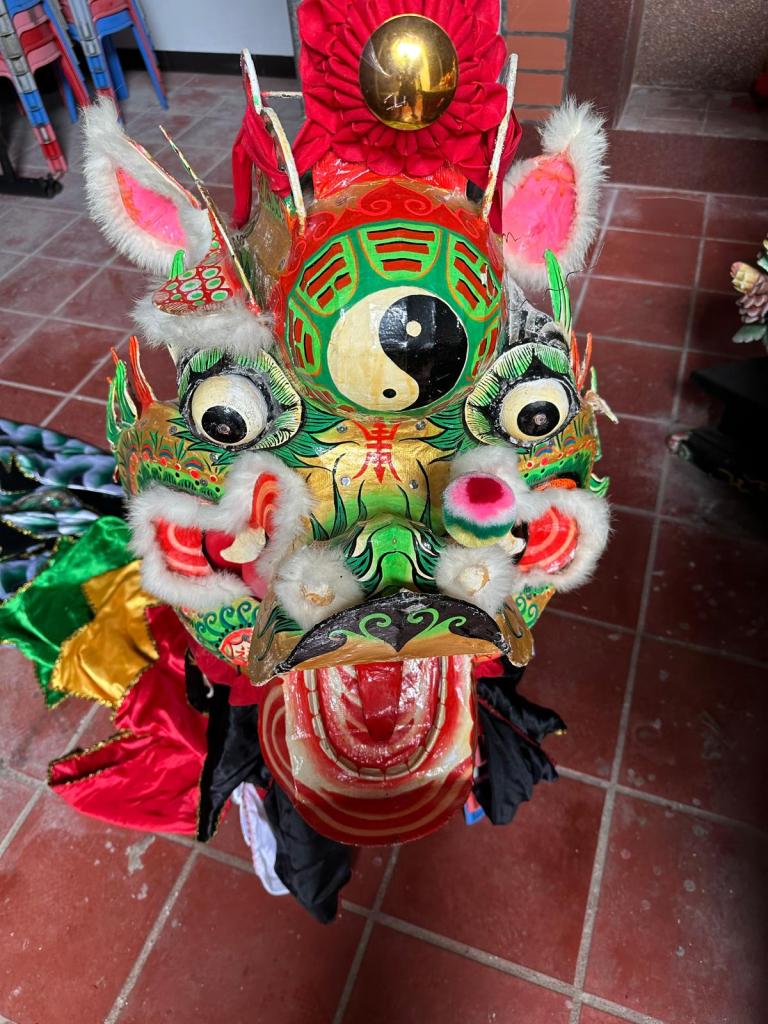
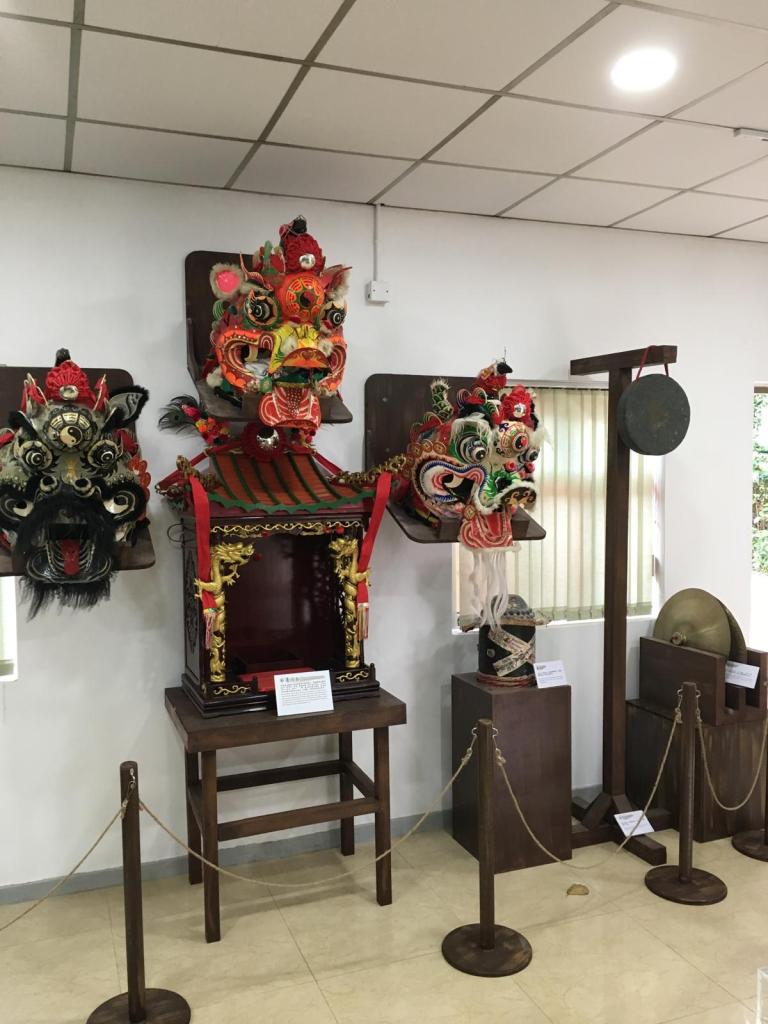
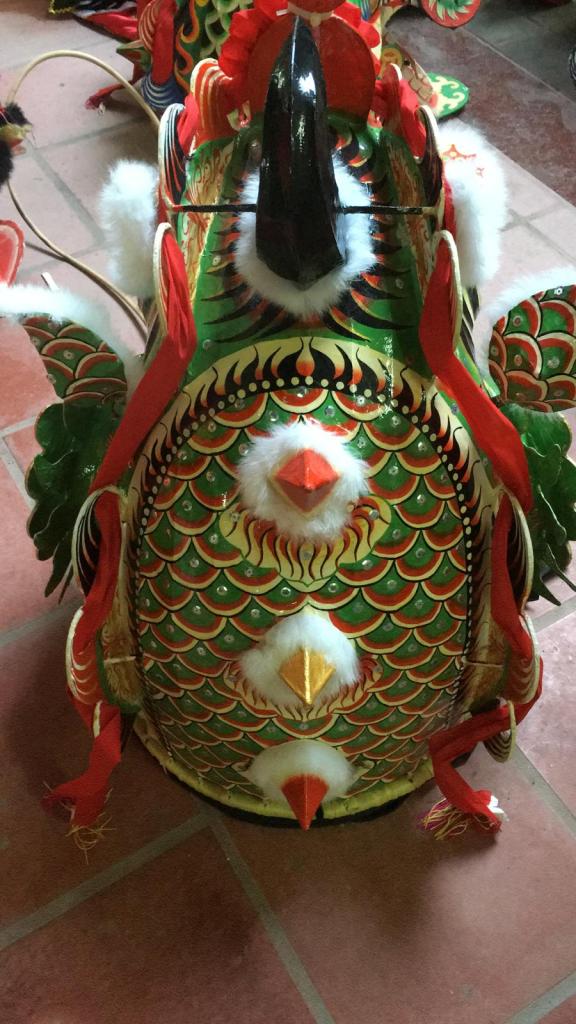
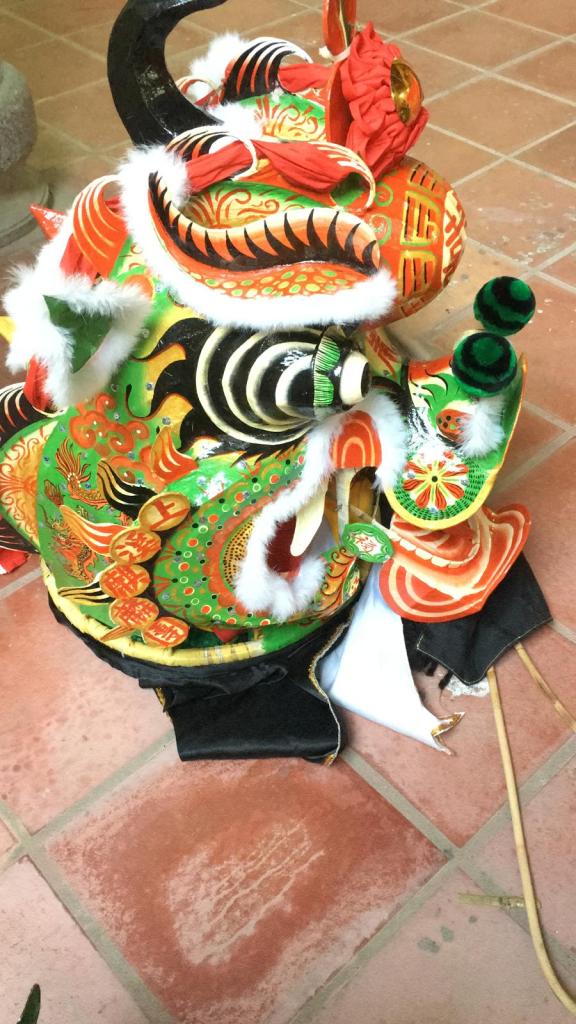
麒麟頭正額上常見八卦或陰陽符號,獨角寓意「獨佔鰲頭」。額上的紅繡球配合照妖鏡,象徵擋煞避邪。麒麟頭周邊的花紋以吉祥物為主:金錢、福鼠、魚鱗片、石榴花、梅、蘭菊、竹、葫蘆、詩句和文字等,共同構成色彩繽紛的瑞獸形象。
五行色彩的身體
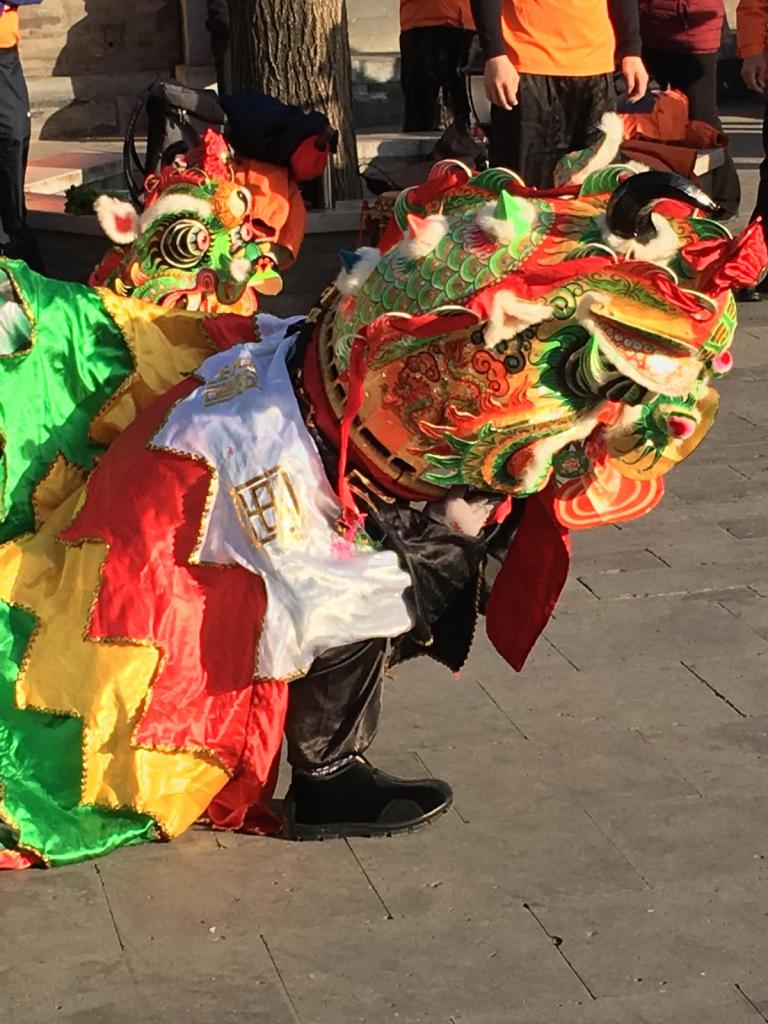
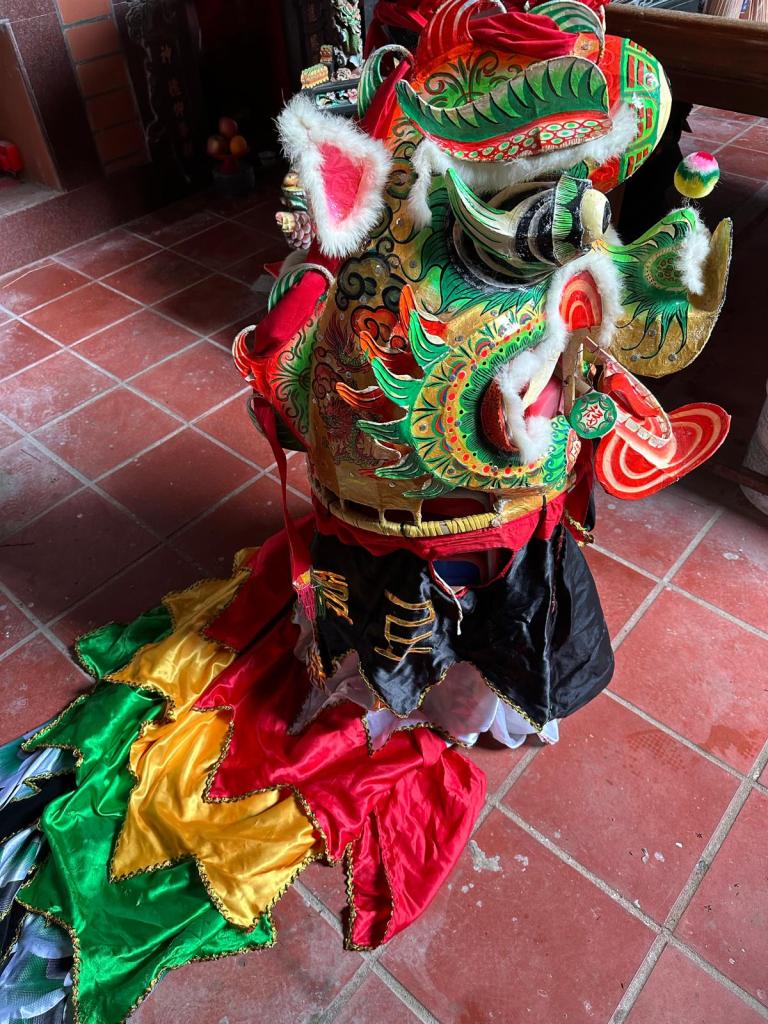
麒麟的身體以五種顏色布料拼接,層次分明,體現五行思想:
- 金為白色
- 木為青綠色
- 水為黑或藍色
- 火為紅色
- 土為黃色
五行相生相剋,陰陽互補,象徵大自然循環、生生不息。五色布寓意五行互動、五穀豐登、風調雨順、國泰民安。
舞麒麟的儀式
每當麒麟舞動到尋常百姓家和祠堂,牠會先行參拜,再讀對聯,接著對門框、門額及門檻進行「省角」儀式,用意在於驅邪擋煞、潔淨祝福。麒麟的身影總在喜慶場合出現:新居入伙、節日慶典、迎接貴賓、婚嫁大事、點家燈繼承香火等。
在婚禮中,古時以花轎迎娶新娘,現代則以花車為主。無論形式如何,舞麒麟都寓意驅邪避煞、保護祝福,祈求好運與吉祥。
舞麒麟象徵天下太平、國泰民安。民間更有一句話:「百姓愁、麒麟走!」,意指麒麟的出現能為人們帶來安慰與希望。
© 2026過客聊客家,版權所有。
Treasure #11 Taoist Philosophical Ideas of Unicorn
This article attempts to analyze the Taoist philosophical ideas embodied in the unicorn:
In ancient times, the daily life of the Hakka people was known for its simplicity, with little use of vivid colors. The unicorn, however, stood out as the sole exception—brilliantly colored and visually striking, it became the most vibrant presence in everyday life. Even from its appearance alone, the unicorn already reflects strong elements of Taoist thought.
Design of the Unicorn’s Appearance
On the unicorn’s forehead, one often finds the Bagua or the yin–yang symbol, while its single horn symbolizes “standing out above all others.” The red embroidered ball on its forehead, paired with the demon‑repelling mirror, represents warding off evil and misfortune. The decorative patterns surrounding the unicorn’s head feature auspicious motifs such as coins, bats of good fortune, fish scales, pomegranate blossoms, plum blossoms, orchids, chrysanthemums, bamboo, gourds, poetic verses, and auspicious characters—together forming a vividly colored image of a benevolent mythical beast.
A Body Representing the Five Elements
The unicorn’s body is crafted from fabrics in five distinct colors, arranged in layers to reflect the philosophy of the Five Elements:
• Metal corresponds to white
• Wood corresponds to green or teal
• Water corresponds to black or blue
• Fire corresponds to red
• Earth corresponds to yellow
The Five Elements generate and restrain one another, while yin and yang complement each other, symbolizing the cyclical and ever‑renewing forces of nature. The five‑colored fabric represents the interaction of the Five Elements, the abundance of the five grains, favorable weather, and peace and prosperity for the nation.
Rituals of the Unicorn Dance
Whenever the unicorn visits ordinary households or ancestral halls, it first performs a bowing ritual, then reads the couplets, and finally carries out the “inspection of the corners” on the doorframe, lintel, and threshold. This ritual serves to dispel evil, ward off misfortune, and bestow blessings. The unicorn’s presence is always associated with joyous occasions: moving into a new home, festive celebrations, welcoming honored guests, weddings, and lighting the family lantern to continue the ancestral line.
In traditional weddings, brides were carried in flowered sedan chairs; today, decorated cars are used instead. Regardless of the form, the unicorn dance symbolizes protection, blessing, and the dispelling of evil, expressing wishes for good fortune and auspicious beginnings.
The unicorn dance represents peace under heaven and prosperity for the nation. There is even a folk saying: “When the people worry, the unicorn walks,” meaning that the appearance of the unicorn brings comfort and hope to the community.
© 2026 Dialogues on Hakka. All rights reserved.

 hkhakkastory.com
Leave a comment