麒麟被視為吉祥之物,是四大神獸之首,與龍、鳳、龜並列。牠亦被稱為「四不象」,融合了龍頭、鹿身、蹄甲與牛尾。麒麟具備仁義之性,不殺生,雖有武備卻從不輕用,象徵高度的德行與修養。
在遠古時代,祖先以幻想創造吉祥物或符號,借自然界的動植物作為民族血統與精神的象徵,例如中國人自稱「龍的傳人」。麒麟便是其中被尊為守護神的圖騰,以最高禮儀崇拜之。
麒麟神話以虛構形象承載傳統、故事與文化思想,象徵儒、釋、道的哲學內涵。牠踏沙無跡、雌雄同體、文武兼備、有獠牙卻不殺生且素食,被視為具人性與仁義的神獸。
客家族群歷經一次遷徙與五次逃難,淬鍊出堅毅不屈、知天命的性格,形成「飲水思源、不忘本;克己耐勞、顯風骨」的客家精神。智慧的客家祖先巧妙地將儒、釋、道的價值投射於麒麟之上,使麒麟成為非物質文化遺產的重要象徵。客家人以圖騰與神話為載體,將中華傳統文化的精髓完美融合其中。
© 2026過客聊客家,版權所有。
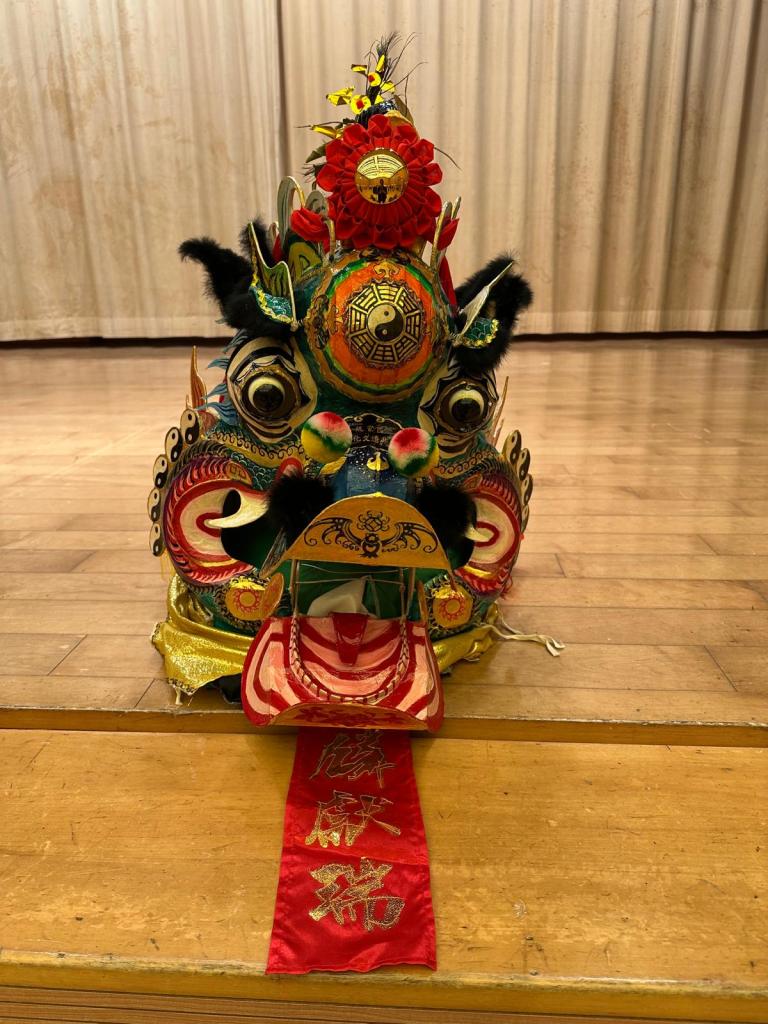
八卦麒麟
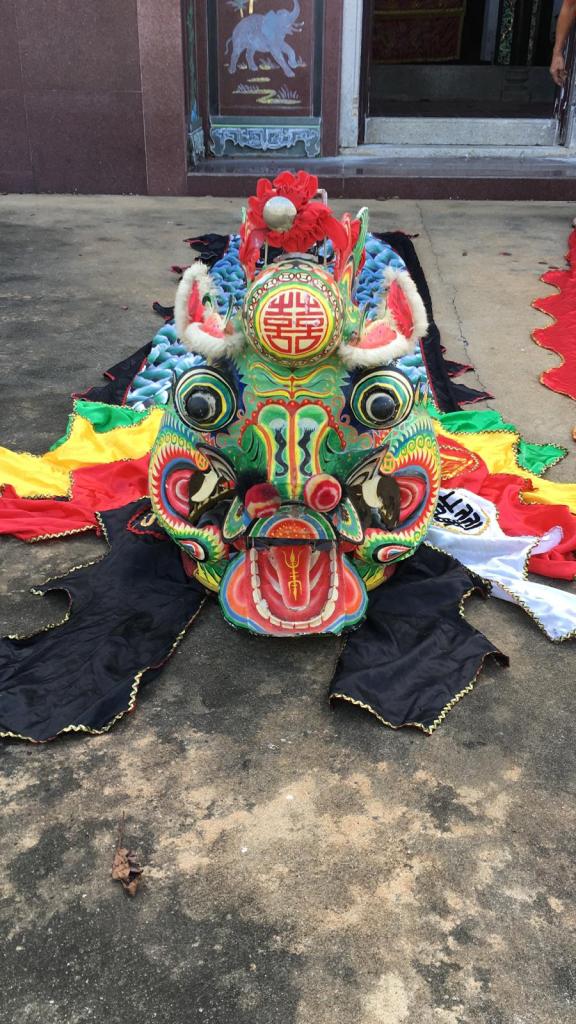
紅雙囍麒麟
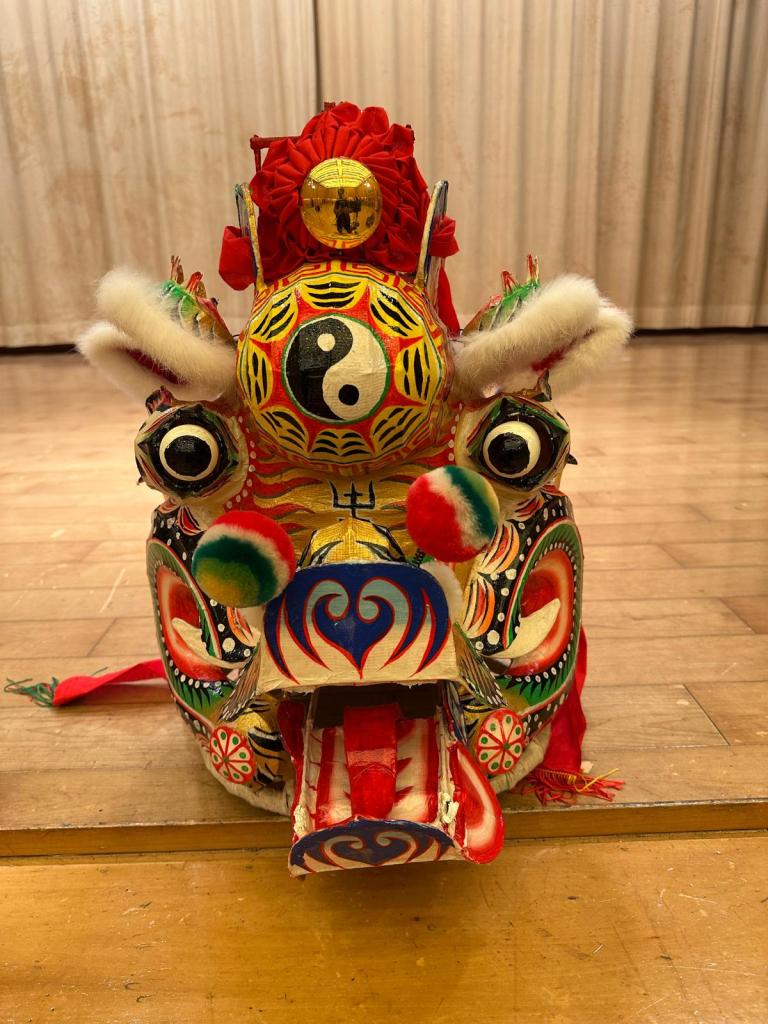
道家麒麟
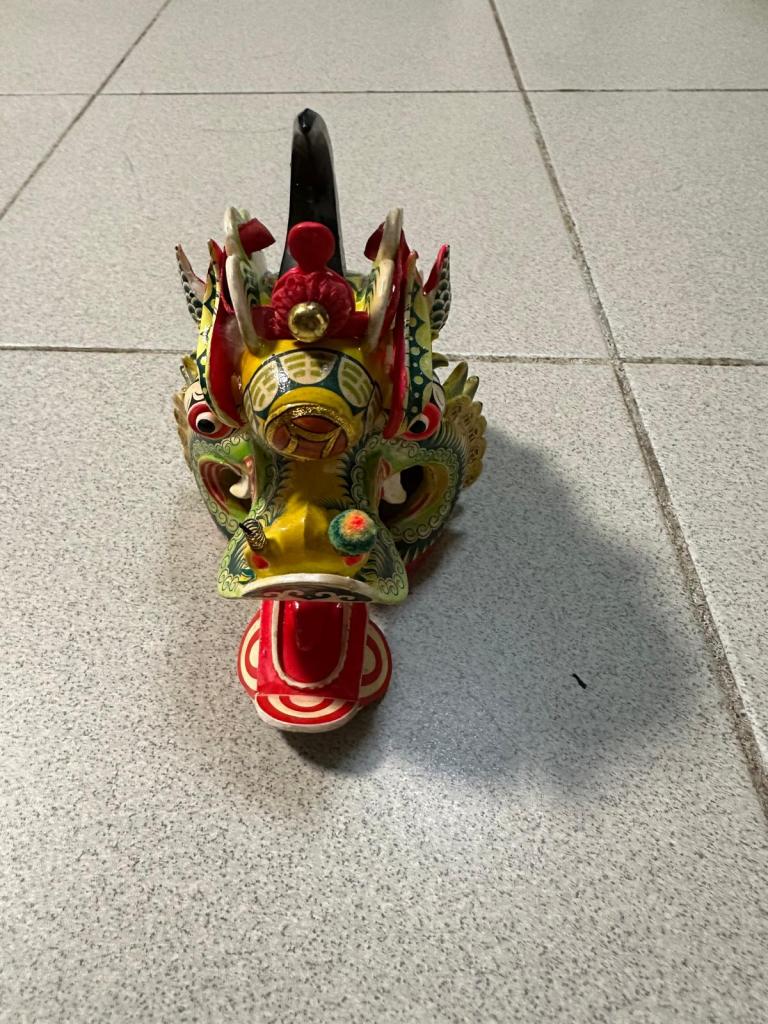
金錢麒麟
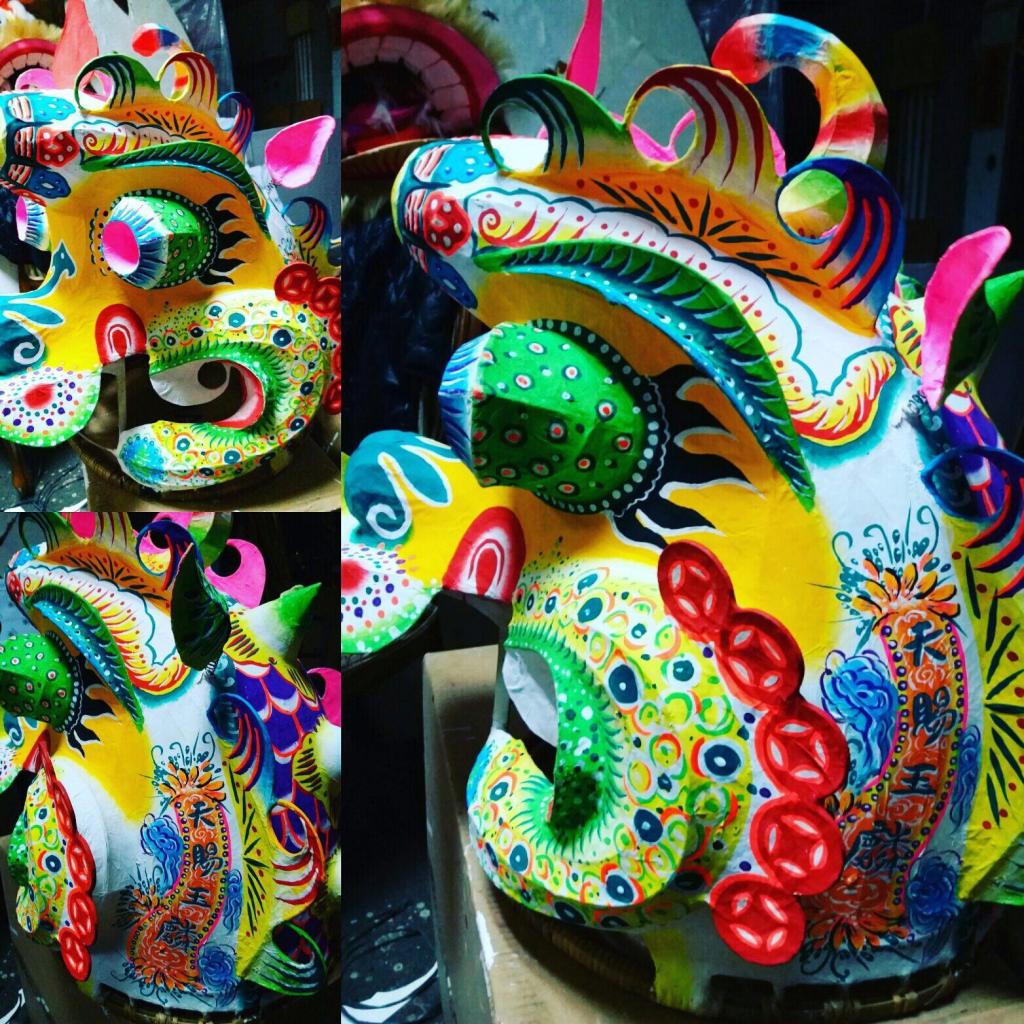
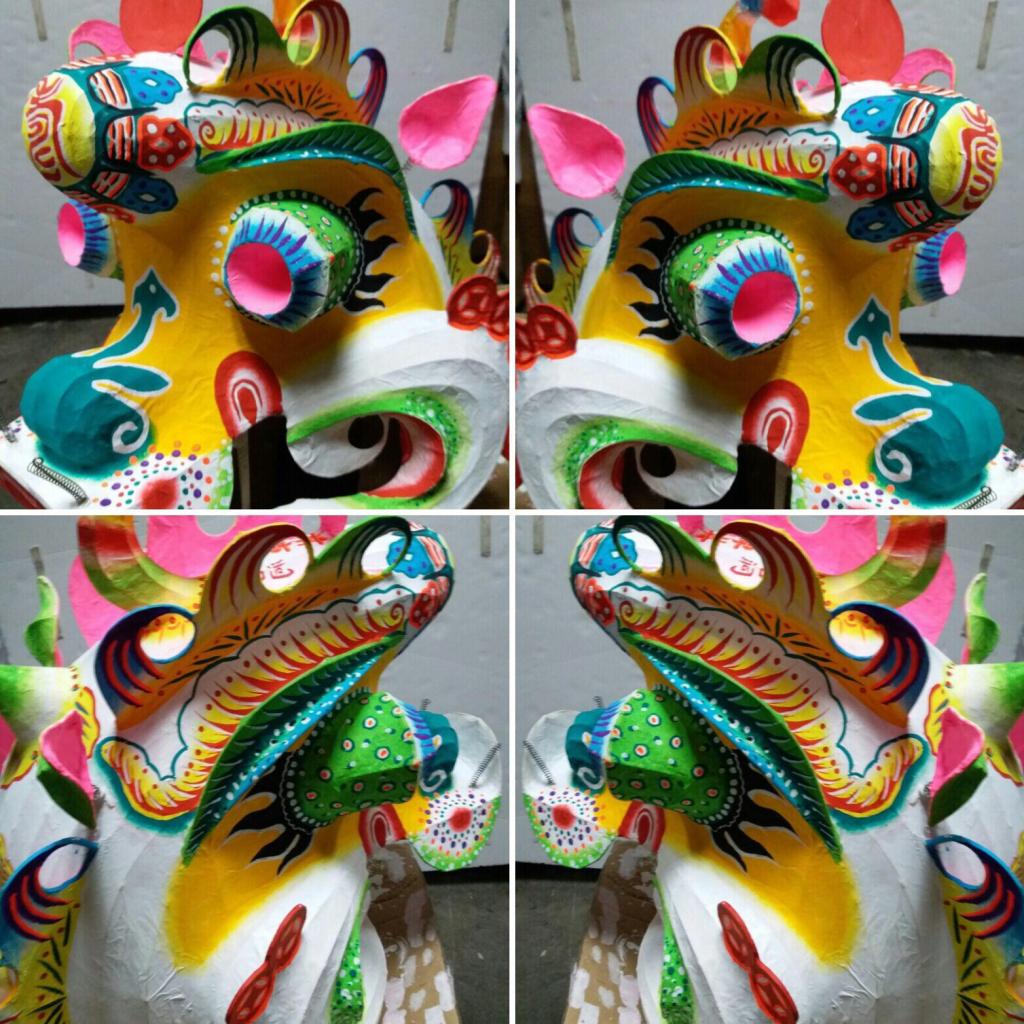
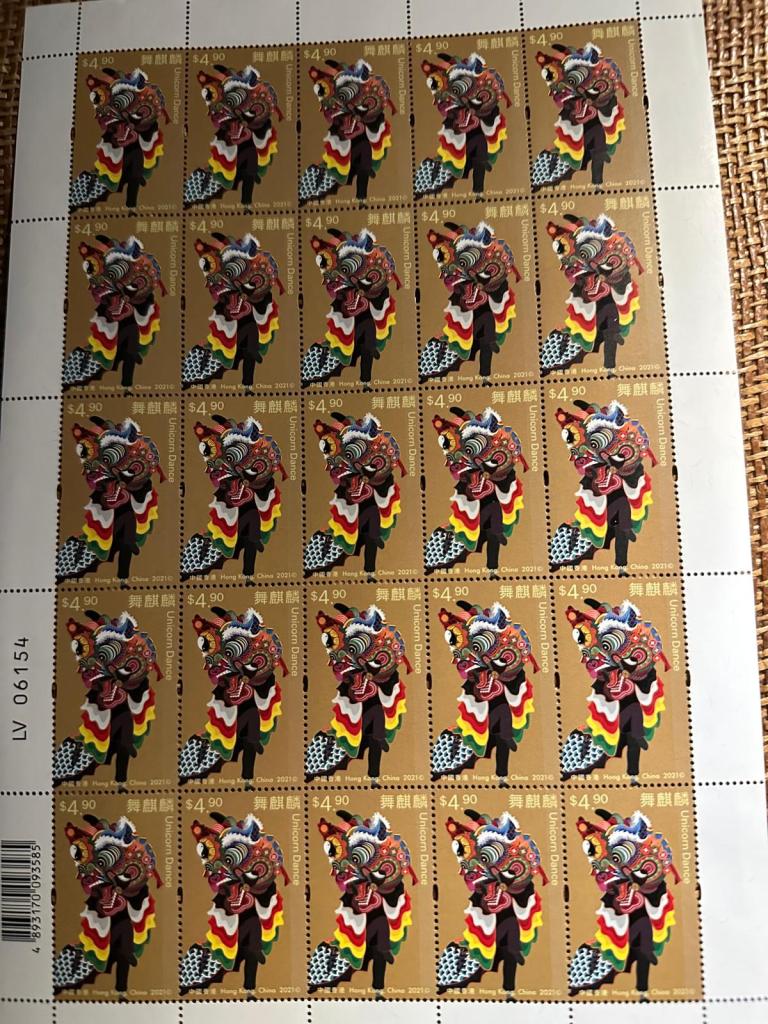
郵票麒麟
Treasure #08 Unicorn: The Totem and Myth of the Hakka People
The unicorn is regarded as an auspicious creature and stands at the head of the Four Divine Beasts, alongside the Dragon, Phoenix, and Tortoise. It is also known as the “Four‑Not‑Alike,” combining the features of a dragon’s head, a deer’s body, hooved limbs, and an ox’s tail. Possessing the virtues of benevolence and righteousness, the unicorn does not kill. Though equipped with the power of force, it never uses it lightly, symbolizing profound moral cultivation and restraint.
In ancient times, ancestors created auspicious symbols through imagination, borrowing the forms of animals and plants from nature to represent the lineage and spirit of their people. Just as the Chinese call themselves “descendants of the dragon,” the unicorn became a revered totem and guardian spirit, honored with the highest rituals.
The mythology of the unicorn uses a fictional image to carry traditions, stories, and cultural ideas, embodying the philosophical essence of Confucianism, Buddhism, and Daoism. It is said to tread on sand without leaving traces, to be androgynous, to possess both civil and martial virtues, and though it has fangs, it does not kill and is vegetarian. For these reasons, it is seen as a humane and righteous divine creature.
The Hakka people, having experienced one major migration and five waves of displacement, forged a resilient and steadfast character, one that understands destiny and values perseverance. This gave rise to the Hakka spirit: “When drinking water, remember the source; never forget one’s roots. Be disciplined, endure hardship, and uphold integrity.” The wise Hakka ancestors projected the values of Confucianism, Buddhism, and Daoism onto the unicorn, making it an important symbol within their intangible cultural heritage. Through the totem and its mythology, the Hakka people seamlessly integrated the essence of traditional Chinese culture into their own heritage.
© 2026 Dialogues on Hakka. All rights reserved.


Leave a Reply