客家紙牌,曾是婦女唯一的娛樂玩耍。這種古老的棋牌遊戲,承載著濃厚的鄉土風情,是客家人世代相傳的休閒娛樂。
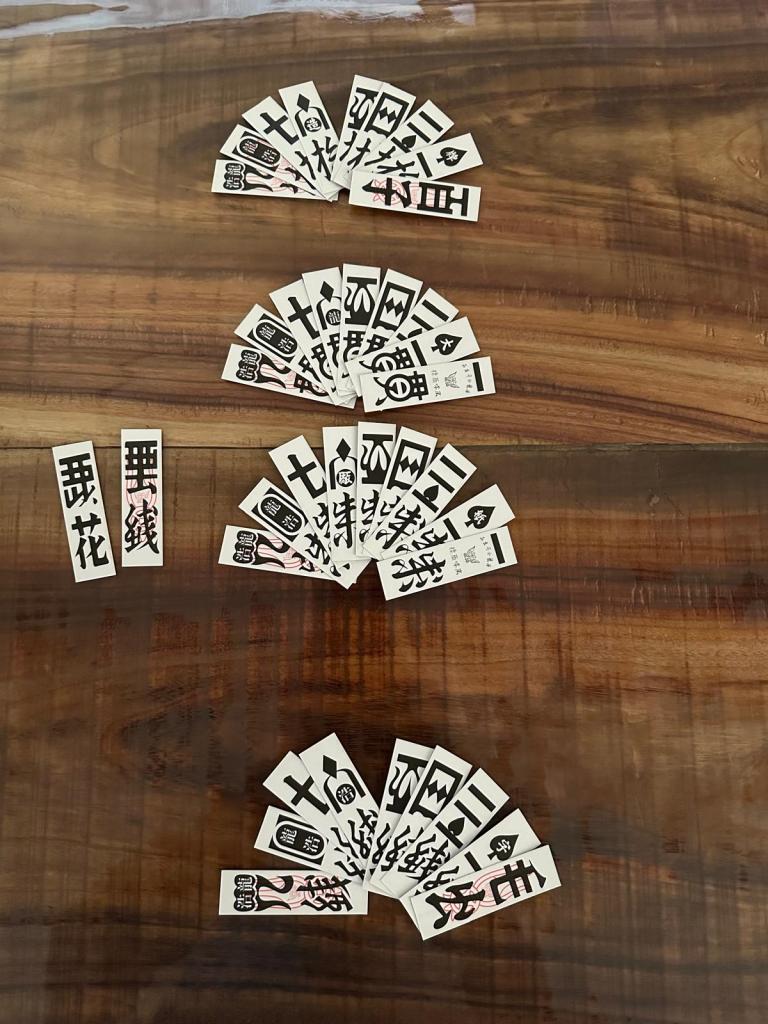
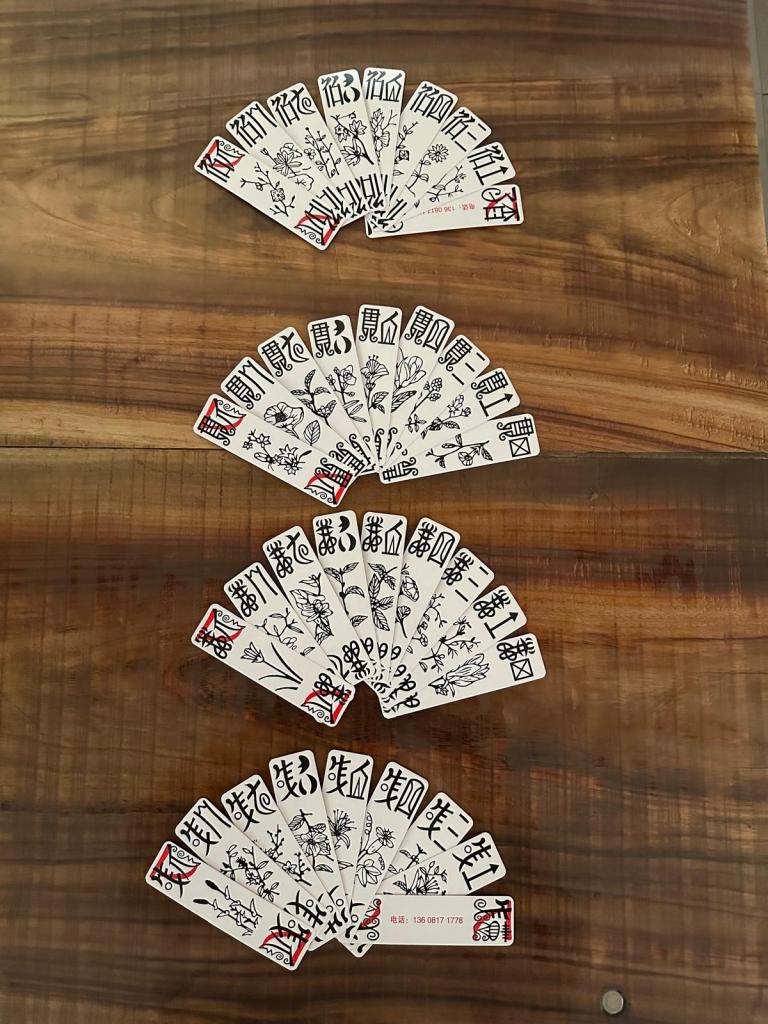
在香港,客家牌多稱「六虎牌」(四川客家人稱之為「貓公牌」),牌面分為拾、貫、索、錢四種花色,每種花色各有九張,共三十六張。四花色中皆以一至九為序,花式繁複卻妙趣橫生。雖然一般人初看難以理解,但在長久浸淫的氛圍中,即使不識字的婦女也能熟練操作,遊戲自如。
普遍而言,客家婦女勤勞、節儉、能幹,卻因大男人主義思想而鮮少受教育,社會地位偏低。一生忙於照顧大家庭與維持生計,幾乎沒有娛樂休閒的空間。客家牌,便成為她們難得的慰藉。
作者童年時,常見左鄰右舍的長輩們退休後過著含飴弄孫、彼此切磋六虎牌休閑作息的日子。這是勤勞一生的幸福回報。客家人偏愛「六」字,稱之六虎牌,或許正是寄寓「六六大順、六六無窮」的吉祥之意。辛苦一輩子,總算能在晚年苦中作樂、知足常樂,安享餘生。
順帶一提四川客家人的歷史背景︰
清康熙年間,朝廷推動「湖廣填四川」移民運動,鼓勵百姓遷往四川開荒勞作。作者指出,早期閩粵客家移民多以家庭為單位進行遷徙,主要有三種方式:分段式家庭遷移、一次性舉家遷移,以及裂變性家庭遷移。更為特別的是,閩粵客家人甚至將先人骸骨遷入四川重新安葬,藉此延續宗族血脈與精神歸屬。
資料來源︰《閩粵客家人在四川》
© 2026過客聊客家,版權所有。
Treasure #05 Hakka Playing Cards
Hakka playing cards were once the only form of entertainment available to women. This ancient card game carries a strong sense of local tradition and has been passed down for generations as a cherished pastime among the Hakka.
In Hong Kong, the game is most often called “Six Tiger Cards”. The deck consists of four suits—Shi (Tens), Guan (Strings), Suo (Cords), and Qian (Coins)—each with nine cards, making a total of thirty-six. Within each suit, the cards are numbered from one to nine. Though the patterns are intricate, the play is full of delight. At first glance, outsiders may find the rules difficult to grasp, yet within the immersive atmosphere of daily life, even illiterate women could master the game with ease and play skillfully.
Generally speaking, Hakka women were hardworking, frugal, and capable, but due to patriarchal attitudes they rarely received formal education and held low social status. Their lives were consumed by caring for extended families and sustaining livelihoods, leaving little room for leisure. Hakka cards thus became a rare source of solace.
In the author’s childhood, it was common to see the elders in the neighborhood, after retirement, enjoying days of caring for grandchildren and exchanging tips on their leisurely routines with Six Tiger brand schedules. This was the happy reward for a lifetime of hard work. The Hakka have a fondness for the number six, calling the game Six Tiger Cards perhaps to invoke auspicious meanings such as “smooth success” (liuliu dashun) and “endless fortune” (liuliu wuqiong). After a lifetime of hardship, they could finally find joy in their later years, content and at peace.
A brief note on the historical background of Sichuan Hakka:
During the reign of Emperor Kangxi in the Qing dynasty, the court promoted the migration movement, encouraging people to move to Sichuan to reclaim land and labor. The author notes that early Hakka migrants from Fujian and Guangdong often relocated as family units, using three main methods: staged family migration, complete household migration, and fission-style family migration. Remarkably, some Hakka even transported the remains of their ancestors to Sichuan for reburial, thereby continuing the lineage and affirming their spiritual belonging.
© 2026 Dialogues on Hakka. All rights reserved.

 hkhakkastory.com
Leave a comment