激死蟻
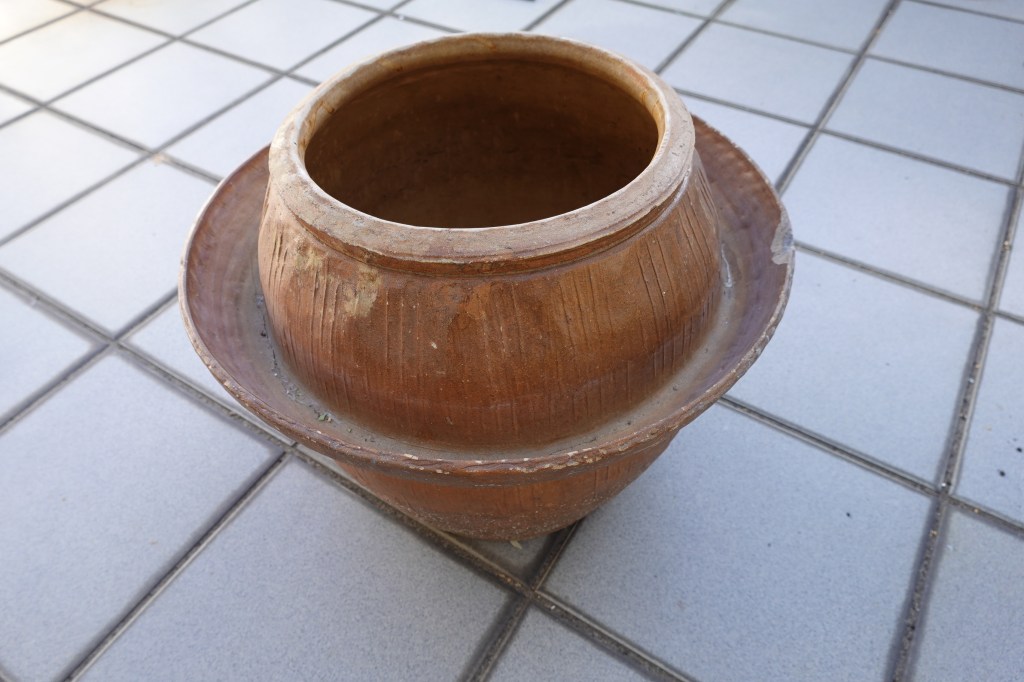
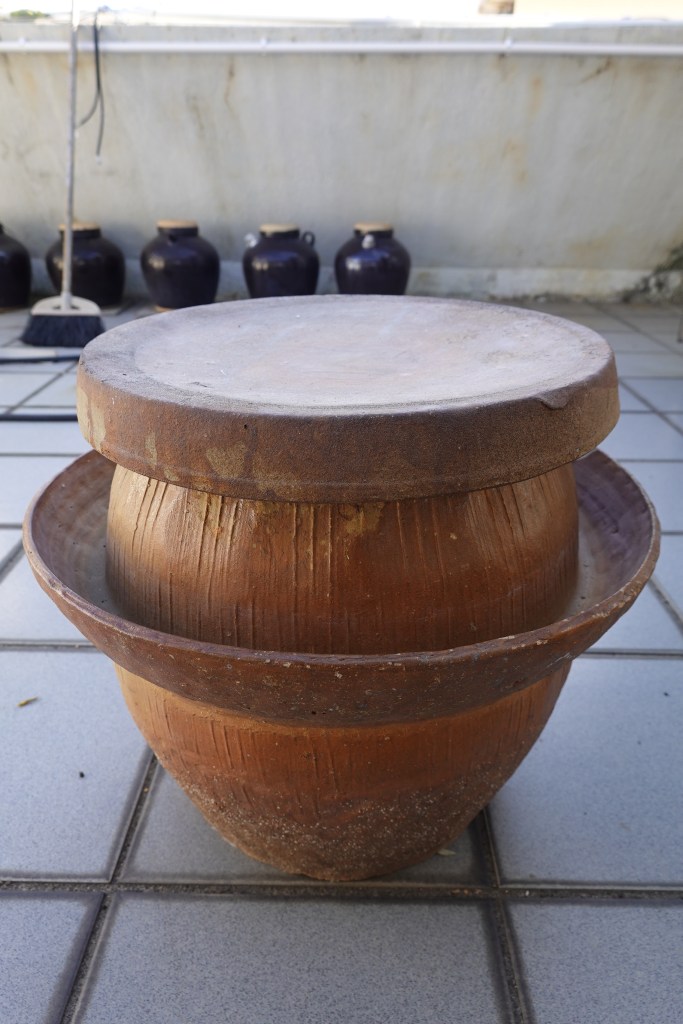
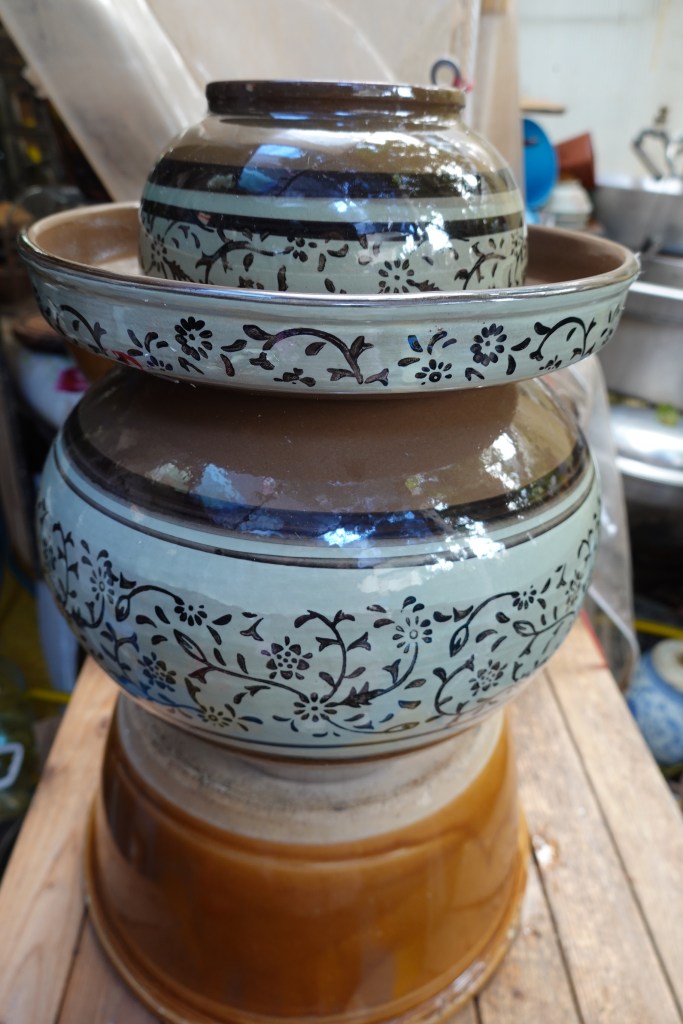
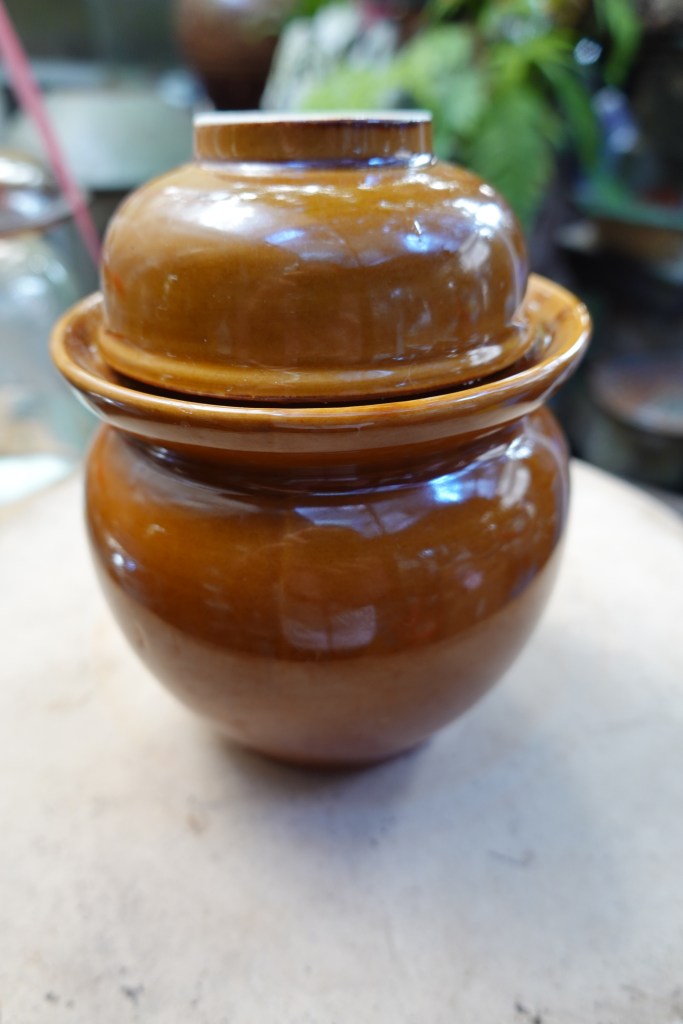
早前曾提及以木、竹、籐等物料製成的日常器具,其中陶瓷器皿尤為重要,常用來盛水、酒、油、醃菜。陶瓷中其中一款盛載油的器皿,一般稱為油甕、油罐或油罌仔,而香港客家人則有獨特稱呼—激死蟻(客語:激死汝)。此名源自器皿的造型設計,因油、糖及甜食最易吸引螞蟻,牠們難以爬入器皿。
檢驗激死蟻的品質亦有傳統方法︰首先,將陶壇子舉起對著日光,從壇口觀察是否有光點透入;其次,將耳朵靠近壇口,若能聽到嗡嗡回響,聲音愈響愈佳;再者,可用火試驗—在壇邊注入清水,點燃紙張放入壇子內,並蓋上蓋子,若水迅速被吸入內壁,便顯示壇子密封良好,能隔絕空氣、防止污染,食物亦不易腐壞。當然視乎醃漬物濃度。
憑藉其實用性及精緻美觀的造型,激死蟻至今仍在四川客家群體中廣泛使用,用以醃製泡菜、盛載豬油。
© 2026過客聊客家,版權所有。
Treasure #04 Ingenious Ant Trap / Urn for Storage of Food
Earlier we mentioned everyday utensils made of wood, bamboo, and rattan. Among them, ceramic containers were especially important, commonly used to store water, wine, oil, and pickled vegetables. One particular type designed for storing oil is generally called an oil jar, oil pot, or small oil urn. Yet the Hakka group in Hong Kong has a distinctive name for it – ingenious ant trap, literally “kill the ants”. The name derives from the urn’s design: since oil, sugar, and sweet food easily attract ants, the shape makes it difficult for them to crawl inside.
There are also traditional methods for testing the quality of the urn. First, lift the urn toward the sunlight and see if any light penetrates. Second, place your ear close to the urn; if you hear a humming echo, the louder the sound, the better. Third, a fire test may be used—pour clear water along the rim, ignite a piece of paper and place it inside, then cover the urn. If the water is quickly absorbed into the inner wall, it indicates that the urn is well sealed, able to block air and prevent contamination, thus keeping food from spoiling (though this also depends on the concentration of the preserved contents).
Thanks to its practicality and elegant form, the ingenious ant trap is still widely used among Hakka communities in Sichuan today, serving to pickle vegetables and store lard, carrying forward both utility and cultural tradition.
© 2026 Dialogues on Hakka. All rights reserved.

 hkhakkastory.com
Leave a comment